Samburu game reserve
One of the most beautiful parts of Kenya is the Samburu game reserve, which is one of the most protected areas in the country. The Samburu Savannah is home to unique wildlife and a variety of bird species. Guests can stay in luxurious camps such as the Samburu Intrepid or similar facilities, which offer full-board service and great views of the arid savannahs.
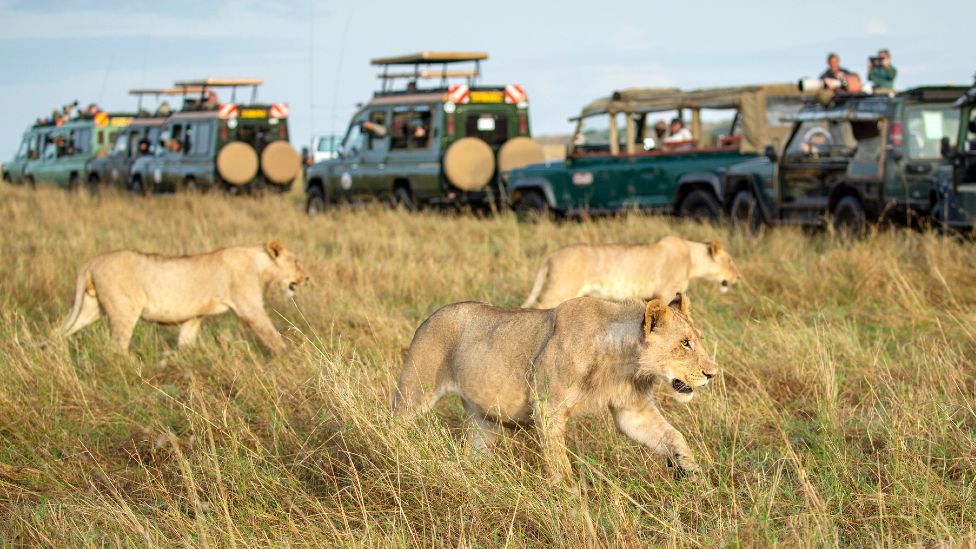
Visitors can watch rare big game like Grevy’s zebra, Somali ostrich, Beisa onyx, and the long-necked gerenuk. The reserve also hosts reticulated giraffe, Beisa oryx, gerenuks, rooting warthogs, and a number of bird species. This is an excellent place to get close to the Samburu lion, the endangered Black-headed vulture, and other threatened species.
Central Island National Park
A trip to the Lake Turkana region of Kenya must include the Central Island National Park. This volcanic island is home to the world’s largest population of Nile crocodiles, with over 14,000 in 1968. You can enjoy a variety of activities in this park, including fishing, bird watching, and camping. To make your Lake Turkana Safari even more exciting, take a boat ride across the lake.
The landscape of this 5km2 park is breathtaking. The park consists of three active volcanoes and a dozen or so craters. The park features a range of animals and archaeology. During your Lake Turkana safari, you’ll see hippos, and crocodiles, as well as many antelope species. If you’d like to get a closer look at the ancient rock formations, Central Island may be a good place to do that.
Lobolo
If you are looking for the perfect Kenya safari, consider staying at the luxurious Lobolo Camp. Located on the shore of Lake Turkana, the camp is a perfect base camp from which to explore the ancient culture of the Turkana people. From here, you can embark on a five-day adventure through the lake, including a boat trip to the nearby Sibiloi National Park, famous for its pre-historic fossil sites. On the way back, you can also explore the nearby Central Island National Park.
Guests can choose between a traditional mud hut or a mobile rig for their stay at Lobolo. The mud huts are fully furnished with beds, mattresses, pillows, and bedding. To add to the convenience of the mud huts, they have a dining mess tent, a kitchenette, and a generator. They can even rent motor boats if they would like to experience the wildlife up close.
Sibiloi National Park
Sibiloi National Park shares its waters with Lake Turkana. It has a stunning landscape that includes over 350 different species of birds and animals. You can also find several species of reptiles and amphibians in the park, as well as numerous birds, including the Lake Turkana species. Nile crocodiles and scorpions also live here. And if you’re a bug-lover, you’ll find carpet vipers and snakes.
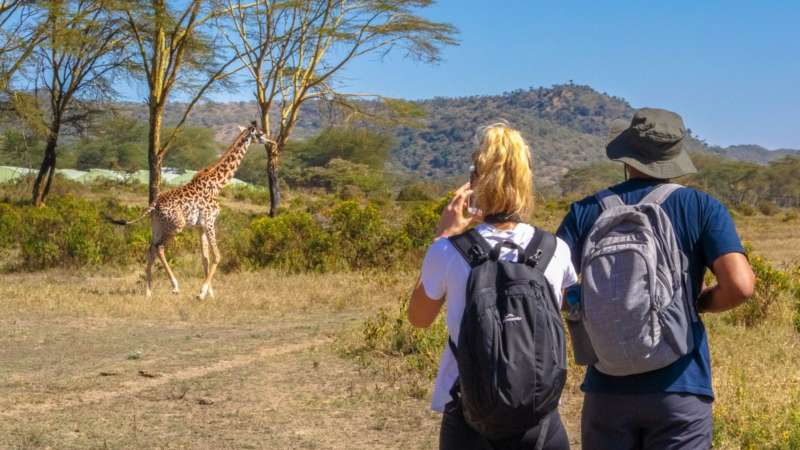
Sibiloi National Park is a 1600 square kilometer area of lush green grassland and is home to many species of game. Large animals in this park include Giraffe, Zebra, and Topi. You may also see lions and cheetahs. This area also has a population of northern topi, which are small, elongated mammals that live in arid environments.
Turkana Basin Institute
While traditional safaris are aimed at viewing wildlife and visiting tribes, the Turkana Basin Institute’s mission is much different. This UNESCO World Heritage Site features the few mammals of the area and is a place where you can unlock the secrets of mankind. The institute has also constructed research centers on both sides of Lake Turkana to reduce logistical difficulties and enable year-round research. Here are some of the many reasons to visit the Turkana Basin Institute.
The Turkana Basin Institute is an international research institute that supports paleontology and archaeology research in the area surrounding Lake Turkana. The institute maintains two field research facilities and supports educational activities in the area. The Institute’s research programs are led by Professor Lawrence Martin and Research Professor Meave Leakey, who oversee field education and research. Field education programs include taphonomy, a study of human feces, and a number of other geological features.
 Lake Turkana Safari